
MP3Night
MS3,Mazda3,MSP
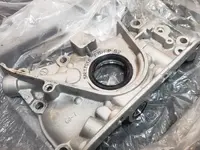
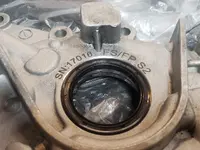
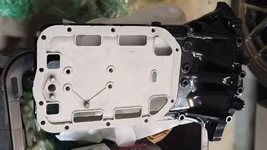
Got a response from Sam on the Boundary Oil pump. Thought I would put it here to help others in the future.
"
It’s a small operation over there. Not sure the
coating is worth the fee.
You wouldn’t too high is also just as bad as too low pressure.
They increased the redline to like 8k or more, installed a long plumbed remote filter/ oil cooler system that dropped pressure, constant high rpm race use.
I would only run the 60 psi setting on the boundary. Most cars I just use OEM pumps. I installed one with a Boundary on a 60 psi, but that customer never gave me any feedback since I shipped him the engine.
I’ll let you read the ai explanation below, too high is not good either."
1. Increased Stress on Seals and Gaskets
 Why It’s a Problem:
High oil pressure can overwhelm the seals and gaskets, causing leaks that reduce reliability and require costly repairs.
FS-DET Specific Issues:
GT25 Turbocharger Seal Blowout: The stock Garrett T25 (GT2554R) journal-bearing turbo has a small oil feed restrictor, making it sensitive to excessive oil pressure. Too much pressure pushes oil past the turbine and compressor seals, leading to:
Blue smoke from the exhaust (burning oil in the hot-side turbine housing).
Oil in the intercooler piping (reducing efficiency and causing carbon buildup).
Crankshaft and Camshaft Seal Leaks: Excessive oil pressure can push oil past the front crank seal, rear main seal, and camshaft seals, leading to leaks.
Valve Cover and Gasket Leaks: High pressure can force oil out of the valve cover gasket, leading to oil seepage and potential contamination of ignition components.
2. Aeration and Foaming
Why It’s a Problem:
Excessive oil pressure can cause turbulence in the oil system, leading to aeration (air bubbles) and foaming, which reduces lubrication efficiency.
FS-DET Specific Issues:
Oil Pickup Problems: The FS-DET uses a wet sump system, and excessive pressure can cause cavitation, where air pockets disrupt oil flow. This can result in oil starvation at high RPM.
Bearing Damage from Aerated Oil: The rod and main bearings rely on a continuous film of oil. If the oil is aerated, it can’t form a proper protective layer, increasing the risk of premature bearing wear or failure.
Turbocharger Oil Breakdown: Aerated oil reduces cooling effectiveness in the turbo, leading to higher turbo temperatures and premature coking of oil in the turbo bearings.
3. Restricted Flow and Bearing Starvation
Why It’s a Problem:
High oil pressure does not always mean better lubrication—it can actually reduce flow rate in critical areas, starving key components of proper lubrication.
FS-DET Specific Issues:
Rod and Main Bearings: Excess oil pressure can cause oil to become trapped between bearing surfaces, preventing proper oil cycling and leading to heat buildup and increased wear.
Turbocharger Oil Flow Issues: The GT25 turbo requires a consistent flow of oil, not excessive pressure. If oil pressure is too high, it can overwhelm the turbo’s oil drain, leading to oil pooling and seal failure.
Cylinder Head Oil Starvation: The FS-DET’s DOHC valvetrain relies on oil galleries to lubricate camshaft journals and lifters. Excessive pressure can disrupt proper flow to the head, causing premature cam wear and lifter issues.
4. Excessive Heat Buildup
Why It’s a Problem:
High oil pressure increases friction within the oil pump and lubrication system, generating excess heat that breaks down oil and reduces efficiency.
FS-DET Specific Issues:
Increased Oil Pump Load: The FS-DET’s oil pump is gear-driven. If pressure is too high, it adds unnecessary strain, potentially causing oil pump gear failure.
Oil Viscosity Breakdown: Excess heat can cause synthetic oil to degrade faster, reducing its lubricating properties and increasing engine wear.
Turbo Oil Coking: The FS-DET is prone to turbo oil coking, where excess heat causes oil to burn inside the turbocharger, leading to shaft imbalance and failure.
5. Overloading the Oil Pump and Drive Components
Why It’s a Problem:
The oil pump is mechanically driven by the timing belt system, and excessive oil pressure can overload this system, leading to premature wear or failure.
FS-DET Specific Issues:
Stock Oil Pump Limitations: The FS-DET’s oil pump is not designed for extreme pressures. High pressure can cause the pump to cavitate, reducing its efficiency.
Increased Engine Load: Excessive oil pressure causes the pump to consume more power, slightly reducing overall engine efficiency.
Risk of Oil Pump Gear Damage: If the pump is forced to work harder than intended, the internal gearset can wear prematurely or crack, leading to sudden oil pressure loss and catastrophic failure.
Optimal Oil Pressure for the 2003 Mazdaspeed Protegé (FS-DET 2.0L Turbo)
Maintaining proper oil pressure is key to reliability and performance. The following values are recommended for a stock or lightly modified FS-DET:
Engine RPM Recommended Oil Pressure (PSI)
Idle (~800 RPM) 15-25 PSI
3,000 RPM 40-55 PSI
6,000 RPM 60-75 PSI
If oil pressure exceeds 80 PSI at high RPM, it is too high and can lead to seal failure, overheating, and aeration.
Why Just Enough Oil Pressure is the Right Amount for Engine Health
Oil pressure is not about maximum pressure—it's about optimal pressure and flow. Too little pressure leads to inadequate lubrication and metal-on-metal contact, while too much pressure creates excessive strain, leaks, and inefficiencies. The key is to maintain just enough pressure to deliver proper oil flow without overwhelming seals, bearings, or the oiling system.
Here’s why just enough oil pressure is the best choice, particularly for turbocharged engines like the Mazda FS-DET in the 2003 Mazdaspeed Protegé:
1. Oil Pressure and Flow Must Be Balanced
Why It Matters:
Oil pressure is the force pushing oil through the engine’s lubrication system.
Oil flow is the actual movement of oil to critical components (bearings, camshafts, turbo, etc.).
If pressure is too low, there isn’t enough force to push oil through the passages.
If pressure is too high, oil can struggle to move efficiently, leading to restricted flow where it’s needed most.
The Right Balance:
The FS-DET engine operates best around 60-65 PSI at high RPM.
This ensures oil is delivered to the bearings, turbo, and valvetrain without excessive resistance or aeration.
Higher than 70 PSI starts creating more problems than benefits.
2. Too Much Pressure Can Cause Bearing Starvation
Why It Matters:
Bearings rely on a thin film of oil to separate metal surfaces and reduce friction.
Excessive pressure can force oil out of the bearing clearances too quickly, reducing the time the oil stays in contact.
This leads to higher temperatures and increased wear, eventually causing bearing failure.
What Happens at Too High Pressure:
Oil is forced through the bearings faster than necessary.
Less oil remains in the hydrodynamic wedge (the protective oil film that prevents metal-on-metal contact).
Bearings may run hotter and wear prematurely.
In extreme cases, rod bearings can spin due to inadequate lubrication.
3. Excessive Pressure Overwhelms Seals and Causes Leaks
Why It Matters:
The FS-DET engine uses rubber and metal seals to prevent oil from escaping key areas.
If pressure is too high, oil will force its way past these seals, leading to oil leaks and smoking issues.
Common Failures from Too Much Pressure:
Turbocharger Seals: Turbo seals rely on proper oil pressure. Too much pressure forces oil past the seals, leading to blue smoke from the exhaust and oil pooling in the intercooler.
Crankshaft Seals (Front and Rear Main Seal): High pressure can push oil past the seals, causing oil leaks onto the clutch or timing belt.
Valve Cover Gasket and Cam Seals: Too much pressure can cause oil seepage, especially if crankcase ventilation isn’t properly managed.
4. High Oil Pressure Creates Aeration and Foaming
Why It Matters:
When oil moves too quickly or encounters excessive turbulence, it can trap air bubbles.
Aerated oil loses its lubricating properties, reducing protection for bearings and other components.
How Excessive Pressure Causes Aeration:
Oil Pump Overworking: A high-pressure oil pump can create cavitation, drawing in air bubbles from the oil pickup.
Oil Returns Too Quickly: When oil moves too fast through galleries, it doesn’t have time to settle and separate from air before being recirculated.
Foamed Oil Can’t Protect Bearings Properly: Air pockets in oil lead to metal-to-metal contact, excessive heat, and increased wear.
The Right Solution:
Keeping oil pressure within manufacturer-recommended limits (around 60-65 PSI at high RPM) ensures proper flow without excessive turbulence.
This prevents aeration, keeping oil film strength consistent for proper lubrication.
5. Too Much Pressure Increases Heat and Reduces Efficiency
Why It Matters:
Excessive oil pressure increases friction within the oil pump, passages, and bearings, creating unnecessary heat buildup.
Hot oil breaks down faster, losing viscosity and lubrication effectiveness.
How It Happens:
The oil pump works harder than necessary, consuming more engine power (parasitic loss).
Oil moving at higher pressure through restricted passages generates friction, leading to higher oil temperatures.
High oil temperature reduces oil viscosity, making it less effective at lubricating under load.
The Right Approach:
Keeping pressure at a moderate level (not exceeding 65 PSI) ensures that oil does its job without adding unnecessary heat or drag.
This results in more stable temperatures, longer oil life, and improved efficiency.
"
It’s a small operation over there. Not sure the
coating is worth the fee.
You wouldn’t too high is also just as bad as too low pressure.
They increased the redline to like 8k or more, installed a long plumbed remote filter/ oil cooler system that dropped pressure, constant high rpm race use.
I would only run the 60 psi setting on the boundary. Most cars I just use OEM pumps. I installed one with a Boundary on a 60 psi, but that customer never gave me any feedback since I shipped him the engine.
I’ll let you read the ai explanation below, too high is not good either."
1. Increased Stress on Seals and Gaskets
Why It’s a Problem:High oil pressure can overwhelm the seals and gaskets, causing leaks that reduce reliability and require costly repairs.
FS-DET Specific Issues:GT25 Turbocharger Seal Blowout: The stock Garrett T25 (GT2554R) journal-bearing turbo has a small oil feed restrictor, making it sensitive to excessive oil pressure. Too much pressure pushes oil past the turbine and compressor seals, leading to:
Blue smoke from the exhaust (burning oil in the hot-side turbine housing).
Oil in the intercooler piping (reducing efficiency and causing carbon buildup).
Crankshaft and Camshaft Seal Leaks: Excessive oil pressure can push oil past the front crank seal, rear main seal, and camshaft seals, leading to leaks.
Valve Cover and Gasket Leaks: High pressure can force oil out of the valve cover gasket, leading to oil seepage and potential contamination of ignition components.
2. Aeration and Foaming
Why It’s a Problem:Excessive oil pressure can cause turbulence in the oil system, leading to aeration (air bubbles) and foaming, which reduces lubrication efficiency.
FS-DET Specific Issues:Oil Pickup Problems: The FS-DET uses a wet sump system, and excessive pressure can cause cavitation, where air pockets disrupt oil flow. This can result in oil starvation at high RPM.
Bearing Damage from Aerated Oil: The rod and main bearings rely on a continuous film of oil. If the oil is aerated, it can’t form a proper protective layer, increasing the risk of premature bearing wear or failure.
Turbocharger Oil Breakdown: Aerated oil reduces cooling effectiveness in the turbo, leading to higher turbo temperatures and premature coking of oil in the turbo bearings.
3. Restricted Flow and Bearing Starvation
Why It’s a Problem:High oil pressure does not always mean better lubrication—it can actually reduce flow rate in critical areas, starving key components of proper lubrication.
FS-DET Specific Issues:Rod and Main Bearings: Excess oil pressure can cause oil to become trapped between bearing surfaces, preventing proper oil cycling and leading to heat buildup and increased wear.
Turbocharger Oil Flow Issues: The GT25 turbo requires a consistent flow of oil, not excessive pressure. If oil pressure is too high, it can overwhelm the turbo’s oil drain, leading to oil pooling and seal failure.
Cylinder Head Oil Starvation: The FS-DET’s DOHC valvetrain relies on oil galleries to lubricate camshaft journals and lifters. Excessive pressure can disrupt proper flow to the head, causing premature cam wear and lifter issues.
4. Excessive Heat Buildup
Why It’s a Problem:High oil pressure increases friction within the oil pump and lubrication system, generating excess heat that breaks down oil and reduces efficiency.
FS-DET Specific Issues:Increased Oil Pump Load: The FS-DET’s oil pump is gear-driven. If pressure is too high, it adds unnecessary strain, potentially causing oil pump gear failure.
Oil Viscosity Breakdown: Excess heat can cause synthetic oil to degrade faster, reducing its lubricating properties and increasing engine wear.
Turbo Oil Coking: The FS-DET is prone to turbo oil coking, where excess heat causes oil to burn inside the turbocharger, leading to shaft imbalance and failure.
5. Overloading the Oil Pump and Drive Components
Why It’s a Problem:The oil pump is mechanically driven by the timing belt system, and excessive oil pressure can overload this system, leading to premature wear or failure.
FS-DET Specific Issues:Stock Oil Pump Limitations: The FS-DET’s oil pump is not designed for extreme pressures. High pressure can cause the pump to cavitate, reducing its efficiency.
Increased Engine Load: Excessive oil pressure causes the pump to consume more power, slightly reducing overall engine efficiency.
Risk of Oil Pump Gear Damage: If the pump is forced to work harder than intended, the internal gearset can wear prematurely or crack, leading to sudden oil pressure loss and catastrophic failure.
Optimal Oil Pressure for the 2003 Mazdaspeed Protegé (FS-DET 2.0L Turbo)
Maintaining proper oil pressure is key to reliability and performance. The following values are recommended for a stock or lightly modified FS-DET:
Engine RPM Recommended Oil Pressure (PSI)
Idle (~800 RPM) 15-25 PSI
3,000 RPM 40-55 PSI
6,000 RPM 60-75 PSI
If oil pressure exceeds 80 PSI at high RPM, it is too high and can lead to seal failure, overheating, and aeration.Why Just Enough Oil Pressure is the Right Amount for Engine Health
Oil pressure is not about maximum pressure—it's about optimal pressure and flow. Too little pressure leads to inadequate lubrication and metal-on-metal contact, while too much pressure creates excessive strain, leaks, and inefficiencies. The key is to maintain just enough pressure to deliver proper oil flow without overwhelming seals, bearings, or the oiling system.
Here’s why just enough oil pressure is the best choice, particularly for turbocharged engines like the Mazda FS-DET in the 2003 Mazdaspeed Protegé:
1. Oil Pressure and Flow Must Be Balanced
Why It Matters:Oil pressure is the force pushing oil through the engine’s lubrication system.
Oil flow is the actual movement of oil to critical components (bearings, camshafts, turbo, etc.).
If pressure is too low, there isn’t enough force to push oil through the passages.
If pressure is too high, oil can struggle to move efficiently, leading to restricted flow where it’s needed most.
The Right Balance:The FS-DET engine operates best around 60-65 PSI at high RPM.
This ensures oil is delivered to the bearings, turbo, and valvetrain without excessive resistance or aeration.
Higher than 70 PSI starts creating more problems than benefits.
2. Too Much Pressure Can Cause Bearing Starvation
Why It Matters:Bearings rely on a thin film of oil to separate metal surfaces and reduce friction.
Excessive pressure can force oil out of the bearing clearances too quickly, reducing the time the oil stays in contact.
This leads to higher temperatures and increased wear, eventually causing bearing failure.
What Happens at Too High Pressure:Oil is forced through the bearings faster than necessary.
Less oil remains in the hydrodynamic wedge (the protective oil film that prevents metal-on-metal contact).
Bearings may run hotter and wear prematurely.
In extreme cases, rod bearings can spin due to inadequate lubrication.
3. Excessive Pressure Overwhelms Seals and Causes Leaks
Why It Matters:The FS-DET engine uses rubber and metal seals to prevent oil from escaping key areas.
If pressure is too high, oil will force its way past these seals, leading to oil leaks and smoking issues.
Common Failures from Too Much Pressure:Turbocharger Seals: Turbo seals rely on proper oil pressure. Too much pressure forces oil past the seals, leading to blue smoke from the exhaust and oil pooling in the intercooler.
Crankshaft Seals (Front and Rear Main Seal): High pressure can push oil past the seals, causing oil leaks onto the clutch or timing belt.
Valve Cover Gasket and Cam Seals: Too much pressure can cause oil seepage, especially if crankcase ventilation isn’t properly managed.
4. High Oil Pressure Creates Aeration and Foaming
Why It Matters:When oil moves too quickly or encounters excessive turbulence, it can trap air bubbles.
Aerated oil loses its lubricating properties, reducing protection for bearings and other components.
How Excessive Pressure Causes Aeration:Oil Pump Overworking: A high-pressure oil pump can create cavitation, drawing in air bubbles from the oil pickup.
Oil Returns Too Quickly: When oil moves too fast through galleries, it doesn’t have time to settle and separate from air before being recirculated.
Foamed Oil Can’t Protect Bearings Properly: Air pockets in oil lead to metal-to-metal contact, excessive heat, and increased wear.
The Right Solution:Keeping oil pressure within manufacturer-recommended limits (around 60-65 PSI at high RPM) ensures proper flow without excessive turbulence.
This prevents aeration, keeping oil film strength consistent for proper lubrication.
5. Too Much Pressure Increases Heat and Reduces Efficiency
Why It Matters:Excessive oil pressure increases friction within the oil pump, passages, and bearings, creating unnecessary heat buildup.
Hot oil breaks down faster, losing viscosity and lubrication effectiveness.
How It Happens:The oil pump works harder than necessary, consuming more engine power (parasitic loss).
Oil moving at higher pressure through restricted passages generates friction, leading to higher oil temperatures.
High oil temperature reduces oil viscosity, making it less effective at lubricating under load.
The Right Approach:Keeping pressure at a moderate level (not exceeding 65 PSI) ensures that oil does its job without adding unnecessary heat or drag.
This results in more stable temperatures, longer oil life, and improved efficiency.

 from yours truly and trusted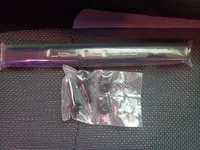
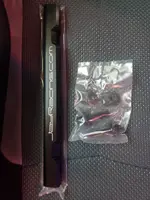

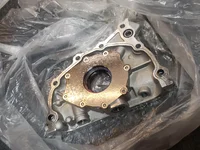








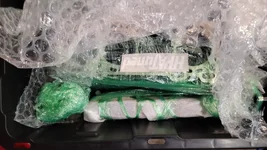
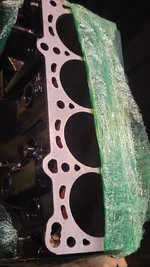
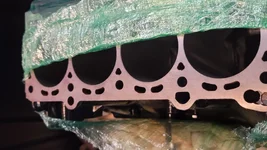
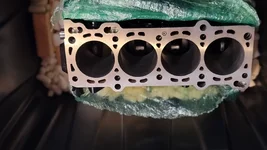
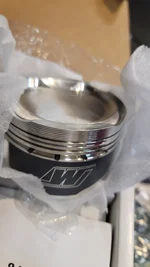
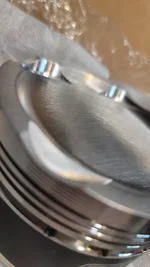
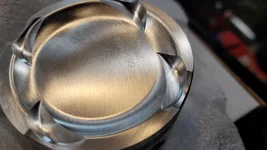
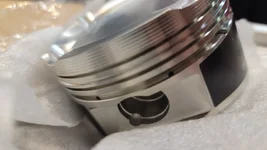
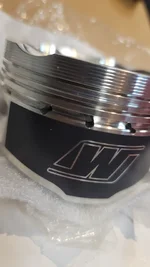
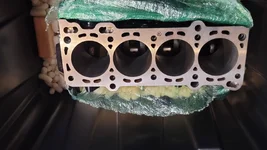
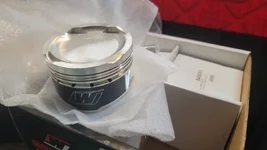
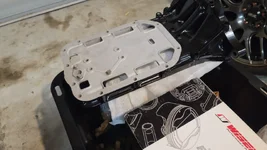
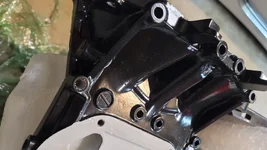
 ...I was watching that package like a hawk at work.



















 eating grin when it's all done too.