Spark plug change

Get a magnetic plug socket. I don't worry about torqueing them down. I was a mech in an American Motors garage long ago and I just hand torque them.
 
I'm new to this platform as I bought my car last week. But I typically like to use a little anti-seize on the plug threads before installing them in the head. I also like to use a little dielectric grease in the spark plug boot.

I'd check to see if the factory plugs are iridium. If they are, you can extend the service interval of the plugs but the scheduled service charts may indicate something different. The Toyota I had prior to the CX-5 had factory iridium plugs with a 100k service interval. Might also be worth the effort to check plug gap of the existing plugs too.
 
I used a 14mm spark plug socket and taped the extension to it. I would think the na has the same size plugs as the turbo but maybe not...super easy job..I used the OEM mazda spark plugs. 99.99999% sure they are rebranded ngk's...ok 100% sure but figured at every 40,000 miles it would not kill me to pay the price of oem....mine looked new so probably could have went double that....
tempImageYhyQVj.webp


tempImageV8yePL.webp
 
Last edited:
I'm new to this platform as I bought my car last week. But I typically like to use a little anti-seize on the plug threads before installing them in the head.
Note to thread readers: there are instructions that say do not do this on Mazda engines with the type of plugs they use.

I understand the premise. You want to make them easier to get out later. But you alter the torque required and risk breaking the plugs off in the cylinder head. They should be installed bare.
 
You should not use anti-seize on NGK spark plugs because they feature a special trivalent plating on the threads, acting as a built-in lubricant and corrosion inhibitor, making anti-seize unnecessary and potentially harmful by causing over-tightening, leading to thread damage, shell stretch, or breakage. NGK plugs are designed to be installed dry to ensure correct torque and heat transfer, preventing serious engine issues like pre-ignition from altered heat ranges or stripped cylinder head threads.

 
You should not use anti-seize on NGK spark plugs because they feature a special trivalent plating on the threads, acting as a built-in lubricant and corrosion inhibitor, making anti-seize unnecessary and potentially harmful by causing over-tightening, leading to thread damage, shell stretch, or breakage. NGK plugs are designed to be installed dry to ensure correct torque and heat transfer, preventing serious engine issues like pre-ignition from altered heat ranges or stripped cylinder head threads.
I haven't used NGK plugs before. Just looked up some info on them and anti-seize. Some are saying a small amount of anti-seize and hand tight isn't going to hurt anything. Comes down to what you're comfortable with.
 
You should not use anti-seize on NGK spark plugs because they feature a special trivalent plating on the threads, acting as a built-in lubricant and corrosion inhibitor, making anti-seize unnecessary and potentially harmful by causing over-tightening, leading to thread damage, shell stretch, or breakage. NGK plugs are designed to be installed dry to ensure correct torque and heat transfer, preventing serious engine issues like pre-ignition from altered heat ranges or stripped cylinder head threads.
When changing my plugs, I didn't use anti-seize, but did use grease on the boots.
 
You should not use anti-seize on NGK spark plugs because they feature a special trivalent plating on the threads, acting as a built-in lubricant and corrosion inhibitor, making anti-seize unnecessary and potentially harmful by causing over-tightening, leading to thread damage, shell stretch, or breakage. NGK plugs are designed to be installed dry to ensure correct torque and heat transfer, preventing serious engine issues like pre-ignition from altered heat ranges or stripped cylinder head threads.
100% agree. Anti-seize could also add electrical resistance since the plug is grounded to the head though the threads.
 
I used a 14mm spark plug socket and taped the extension to it. I would think the na has the same size plugs as the turbo but maybe not...super easy job..I used the OEM mazda spark plugs. 99.99999% sure they are rebranded ngk's...ok 100% sure but figured at every 40,000 miles it would not kill me to pay the price of oem....mine looked new so probably could have went double that....
View attachment 380341

View attachment 380343
It's impressive how lean even the turbocharged engine can run.. based on the brown/beige residue on the threads. You said you run your engine hard, right? I'd run those old plugs some more. We do 120k km intervals in the NA engine, and the ones that came out definitely looked a bit rougher than that.
 
It's impressive how lean even the turbocharged engine can run.. based on the brown/beige residue on the threads. You said you run your engine hard, right? I'd run those old plugs some more. We do 120k km intervals in the NA engine, and the ones that came out definitely looked a bit rougher than that.
yes I run it pretty hard usually in sportmode...I like having the revs up...If I had known how good they looked I would have not changed them but I already had the plugs and did the work so I did replace them but looking at them I could have easily ran them to 60,000 miles...gaps measured exactly the same as the new ones...
 
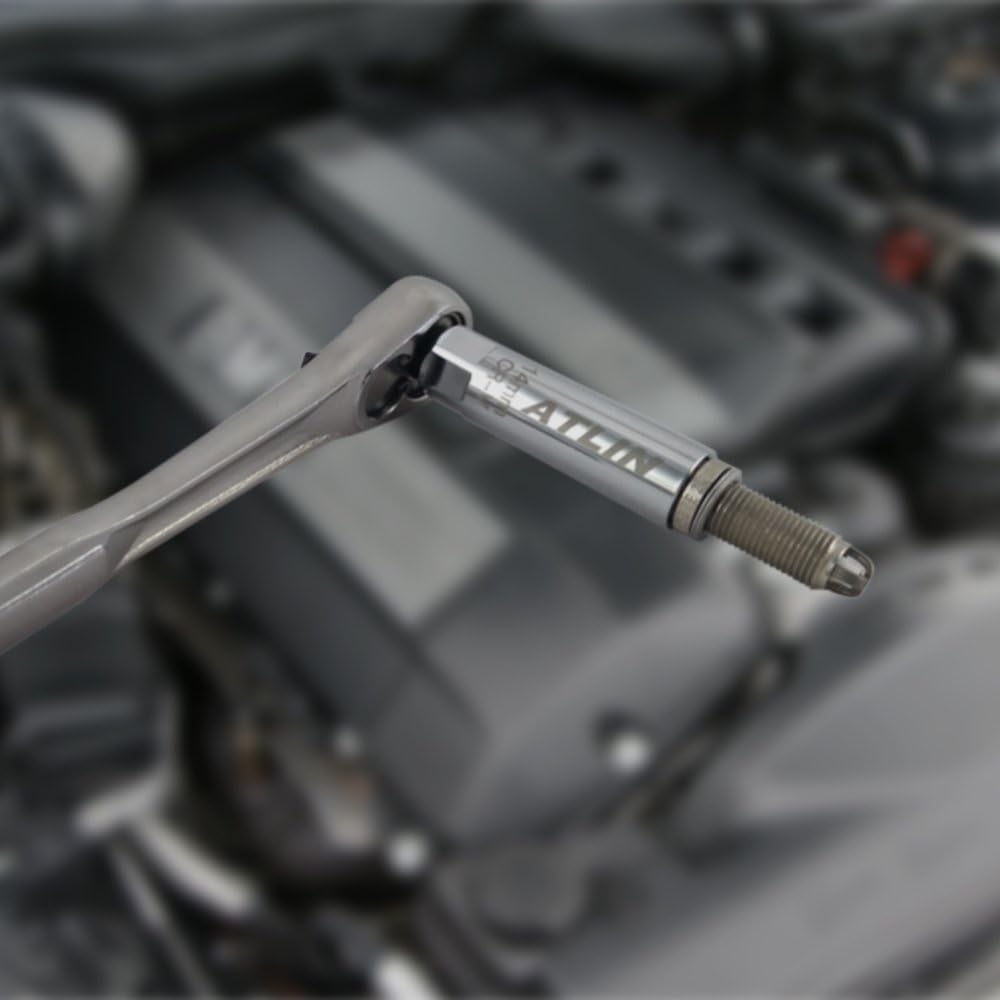
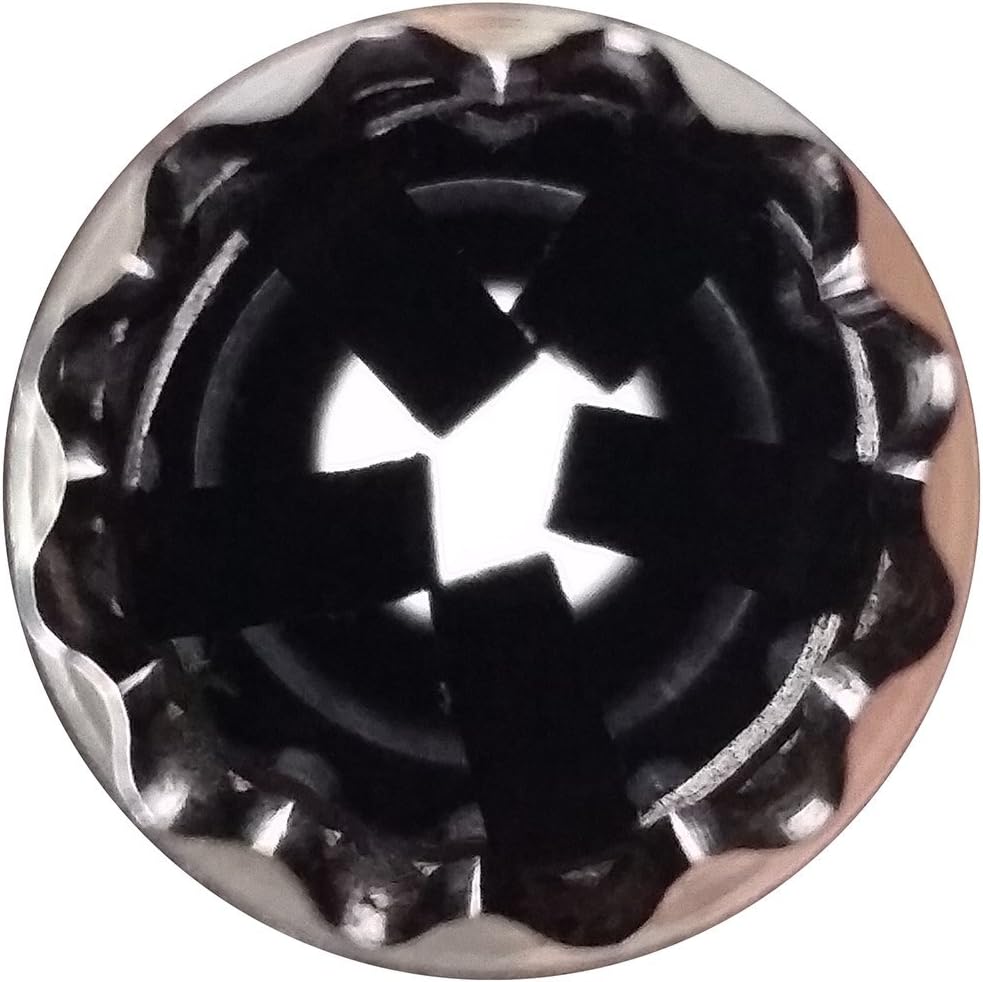
I used this socket


51luIz60cFL._AC_SL1000_.jpg
71vw8RKH4sL._AC_SL1430_.jpg
I have the same socket. I like that it has the springs to grip the plug and no rubber insert to fall out.
 

New Threads and Articles

Back